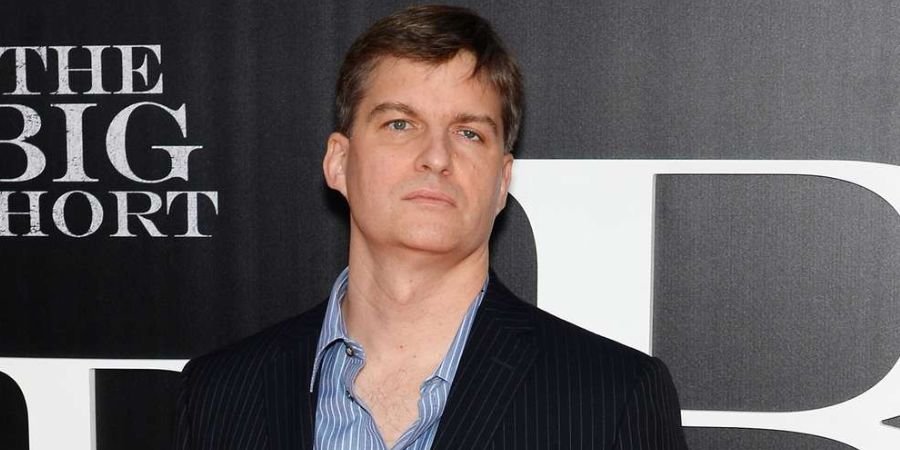
Michael Burry, the famed investor portrayed in The Big Short, is attracting attention once again by betting against for some of the biggest names connected to artificial intelligence. His latest actions are fanning market concerns at a time when investor enthusiasm for AI stocks is cooling. Compounding the anxiety, Oracle’s failure to lock up crucial funding for a major AI project has sent markets into a nosedive and rekindled debate over whether the AI market is getting ahead of itself.
Michael Burry’s AI Bubble Fears Get Even Louder
Burry has taken out large short positions in numerous high-flyiung technology and AI-exposed stocks, indicating that he thinks sector valuations have become undesutainable. He has cautioned that most of the firms benefiting from the AI story have real cash or performance but are dependent on debt, aggressive growth projections and investor excitement as opposed to continued profitability.
Those who monitor the market say Burry’s move should serve as a larger warning: Although artificial intelligence is changing everything, the stocks connected to it may be pricing in years of success too soon. Higher rates and liquidity tightening with greater scrutiny of earnings quality has left overvalued AI stocks more susceptible to sudden pullbacks.
His bearish bets have invited comparisons to his earlier warnings ahead of the global financial crisis, and some investors are re-evaluating their risks in what has been an untouchable tech sector.
Oracle’s Failure in Effort to Sell AI as Boon for Your Bank Sends Shockwaves
Oracle, which had a deal to finance an AI investment go south, has found itself in the eye of the storm in the recent sell-off. The company has spent heavily on infrastructure for A.I. and data centers, betting that demand will continue to grow in the long term. Yet the failure of that deal prompted questions about whether such heavy reliance on expensive expansion plans is feasible in today’s economic climate.
The market reaction was swift. Oracle’s shares fell sharply, and the stocks of other AI infrastructure- and cloud-related companies followed. Analysts say the setback underscores an increasingly common problem for AI-powered companies: how to balance huge upfront investment with uncertain near-term payoffs.
What This Means for Investors
And while there may be short-term headwinds in AI technology itself remains a juggernaut for the long term. Yet investor mood is clearly turning from enthusiasm to circumspection. Markets are now celebrating companies with good cash flow, a willingness to spend based on discipline and realistic growth expectations.
Michael Burry’s bearish bets coupled with Oracle’s financing woes are a reminder to investors not all AI stocks are created equal. And as the sector matures, not hyped-up nonsense, will determine who wins in the long run.