Cybersecurity AI: George Kurtz Responds to Market Reaction
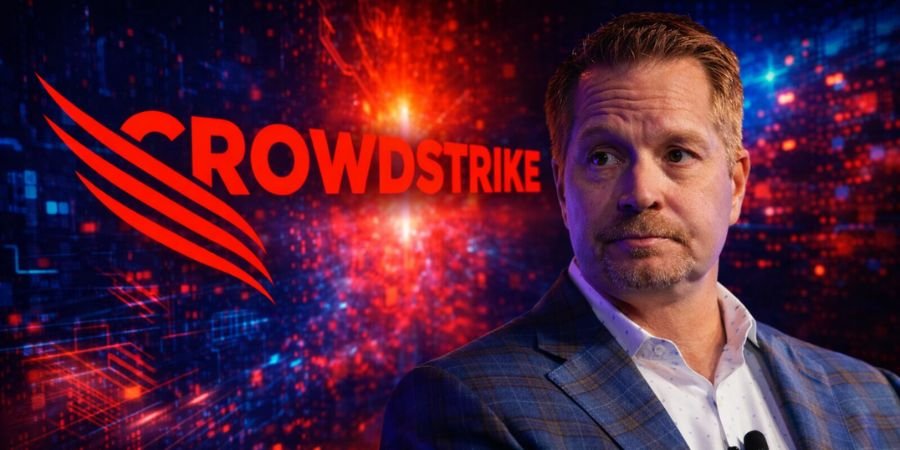
George Kurtz, CEO of CrowdStrike, publicly addressed investor concerns after a newly launched AI security tool from Anthropic triggered a temporary decline in cybersecurity stocks.
The market reaction followed the debut of Anthropic’s AI assistant, Claude, which some analysts suggested could challenge traditional endpoint protection platforms. Shares across the cybersecurity sector saw short-term pressure amid speculation that generative AI tools may disrupt established vendors.
Kurtz moved quickly to counter that narrative.
Cybersecurity AI Competition Sparks Debate
In a post shared on social media, Kurtz published a screenshot of Claude acknowledging its limitations in replacing CrowdStrike’s comprehensive security platform. The AI assistant reportedly stated that it could not replicate the company’s real-time threat detection infrastructure or its large-scale enterprise capabilities.
The message appeared aimed at calming investors concerned about AI-native competitors encroaching on core cybersecurity services.
Market volatility reflected broader uncertainty about how Cybersecurity AI will reshape the industry. However, analysts noted that generative AI assistants differ significantly from full-stack security ecosystems that integrate telemetry, endpoint detection, identity protection, and threat intelligence.
Context: AI’s Expanding Role in Cybersecurity
The launch of Anthropic’s AI tool comes amid accelerating investment in artificial intelligence across the security landscape. Vendors are embedding AI into threat detection workflows, automation tools, and incident response systems.
CrowdStrike itself has positioned AI at the center of its Falcon platform strategy. Kurtz has repeatedly emphasized that AI enhances — rather than replaces — complex cybersecurity architectures.
Industry observers say investor sensitivity reflects a broader market theme: the perceived risk of AI disruption across enterprise software sectors.
Market Stability and Strategic Positioning
Following Kurtz’s public response, cybersecurity stocks began stabilizing, according to market data cited by financial analysts covering the sector. While volatility persisted intraday, the broader narrative shifted from displacement to integration.
Kurtz’s response underscores how cybersecurity leaders are actively shaping the Cybersecurity AI conversation rather than allowing disruption narratives to dominate market sentiment.
As AI capabilities continue to evolve, competition between AI-native tools and established security platforms is likely to intensify. However, most experts expect hybrid models — combining AI automation with enterprise-grade infrastructure — to define the next phase of cybersecurity innovation.
The coming quarters will reveal whether investor confidence aligns with that outlook as companies expand AI-driven security offerings.
Read Also: Mindy K. West Named President and CEO of Murphy USA in Major CEO Transition