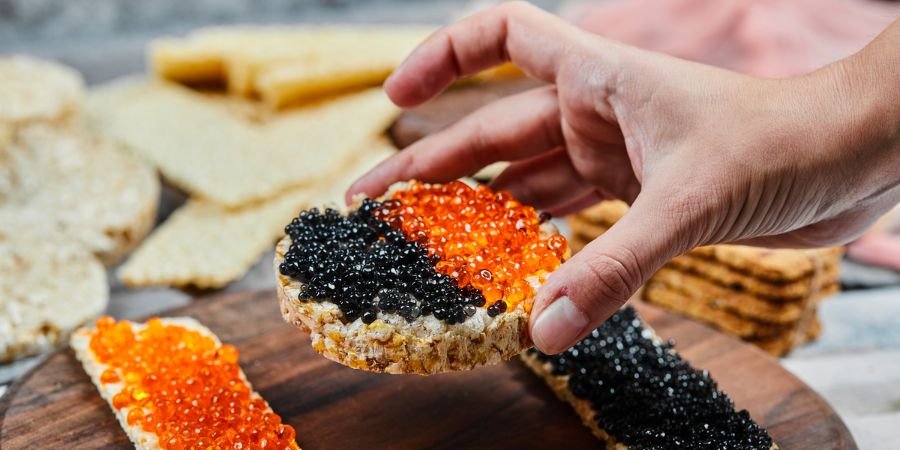
Luxury foods often come with curiosity, fascination, and sometimes a little mystery. Among them, caviar stands out as one of the most famous delicacies in the world. Tiny glossy pearls served on elegant spoons have become a symbol of fine dining, wealth, and celebration. But for people who have never tried it, one question always comes to mind: what does caviar taste like?
Many imagine that it must taste extremely fishy or overly salty. Others assume it is simply a fancy seafood topping used in expensive restaurants. The reality is far more interesting. Caviar has a delicate flavor, complex texture, and subtle richness that sets it apart from almost any other ingredient.
When someone asks what does caviar taste like, the answer involves more than just flavor. It includes aroma, texture, freshness, and even how it is served. The experience of tasting caviar is often described as elegant, refined, and surprisingly delicate.
In this detailed guide, we will explore everything about caviar’s taste profile, texture, varieties, and the factors that influence its flavor. By the end, you will understand why this small ingredient has captured the attention of chefs, gourmets, and food lovers for centuries.
Table of Contents
what does caviar taste like? Understanding the Flavor Profile
When people taste caviar for the first time, they are often surprised by how subtle and balanced the flavor is. Instead of being strong or overwhelming, high-quality caviar offers a layered taste experience.
Buttery and Creamy Richness
One of the most commonly mentioned characteristics of caviar is its buttery flavor. The eggs contain natural oils that create a smooth, creamy sensation when eaten.
As the tiny pearls burst gently in your mouth, they release a soft richness that spreads across the palate. This buttery quality is one of the main reasons why caviar feels luxurious and satisfying.
Mild Ocean Flavor
Caviar comes from fish roe, so it naturally carries a slight taste of the sea. However, the flavor is not intensely fishy. Instead, it is light and clean, similar to the fresh aroma of ocean air.
This subtle marine flavor is what gives caviar its unique identity.
Delicate Saltiness
Caviar is preserved using salt, which enhances its natural taste. But premium varieties use a method called malossol, meaning “little salt.” This keeps the flavor balanced and prevents it from becoming overpowering.
A good caviar should taste gently salty rather than aggressively briny.
Slight Nutty Notes
Some varieties of caviar also have a mild nutty flavor. This adds depth to the overall taste and creates a more complex experience.
Because of these layered flavors, answering what does caviar taste like often requires describing several sensations rather than just one.
The Unique Texture of Caviar
Texture plays a major role in the caviar experience. Unlike most foods, caviar delivers a sensation that combines delicacy and excitement.
Each tiny egg, often called a pearl, has a thin outer membrane. When you place it on your tongue and press it gently against the roof of your mouth, it pops.
This pop releases flavorful oils and creates a smooth finish.
The best caviar should feel:
Light and delicate
Firm but not hard
Smooth and creamy after popping
If the eggs feel mushy or sticky, the quality may not be ideal. Fresh caviar should always maintain a pleasant and slightly firm texture.
Why what does caviar taste like Depends on the Type
Not all caviar tastes the same. The flavor can change depending on the species of fish that produced the roe. Different types of sturgeon create unique flavor profiles.
Beluga Caviar
Beluga caviar is one of the most famous and expensive varieties.
Its flavor is often described as:
Extremely delicate
Creamy and buttery
Mild with almost no strong fish taste
The eggs are large and soft, which makes the texture especially luxurious.
Osetra Caviar
Osetra caviar is another popular variety known for its complexity.
Its flavor tends to include:
Nutty undertones
Slight brininess
Rich buttery finish
The pearls are medium-sized and firm, giving them a satisfying pop.
Sevruga Caviar
Sevruga caviar has a stronger flavor compared to other types.
Characteristics include:
Smaller eggs
More pronounced ocean taste
Slightly saltier flavor
People who enjoy bold seafood flavors often prefer this variety.
Farmed Caviar
Modern aquaculture has made caviar more sustainable and accessible. Farmed sturgeon caviar can offer excellent flavor while protecting wild populations.
Because each variety tastes slightly different, the answer to what does caviar taste like may vary depending on which type you try.
Factors That Influence the Flavor of Caviar
Several elements can affect how caviar tastes. Even the same variety may taste slightly different depending on production and storage conditions.
Freshness
Fresh caviar has a clean and balanced flavor. If it is old or poorly stored, it may develop a strong fishy taste.
High-quality caviar should always taste fresh and delicate.
Salt Content
Salt levels influence how the roe tastes. Too much salt can hide the natural flavor, while too little may affect preservation.
The best caviar uses a careful balance that enhances rather than dominates the taste.
Environment of the Fish
The water quality, diet, and habitat of the sturgeon can subtly influence the flavor of the roe.
Just like wine reflects the region where grapes grow, caviar can reflect its environment.
Processing Method
The way roe is handled after harvesting also affects its taste. Skilled processing ensures the eggs maintain their natural texture and flavor.
How to Eat Caviar the Right Way
The way caviar is served can greatly affect the tasting experience. Traditional serving methods aim to preserve the delicate flavor.
Use Non-Metal Spoons
Metal spoons can sometimes alter the taste of caviar. For this reason, traditional caviar spoons are made from materials like:
Mother-of-pearl
Bone
Glass
Gold
These materials keep the flavor pure.
Serve It Chilled
Caviar should always be served cold but not frozen. The container is usually placed over crushed ice to maintain the ideal temperature.
This keeps the texture firm and the flavor fresh.
Keep Pairings Simple
Simple foods allow the flavor of caviar to shine.
Classic pairings include:
Blinis (small Russian pancakes)
Toast points
Crackers
Boiled potatoes
These neutral bases enhance the experience without overpowering the roe.
What Foods Pair Best with Caviar
Although caviar can be eaten alone, pairing it with the right foods can elevate the experience.
Popular pairings include:
Blinis
These small pancakes are a traditional accompaniment. Their soft texture complements the delicate pearls.
Crème Fraîche
This mild cream adds richness while balancing the saltiness of caviar.
Eggs
Scrambled or boiled eggs are excellent with caviar. The creamy eggs highlight the roe’s buttery flavor.
Champagne
Sparkling wine is often paired with caviar because its acidity cleanses the palate between bites.
These combinations enhance the flavor and make the tasting experience even more enjoyable.
First-Time Experience: What Most People Notice
When people try caviar for the first time, their reactions are often different from what they expected.
Some common first impressions include:
The flavor is more subtle than expected
The popping texture is unique
The taste is rich but not heavy
Many first-time tasters say the texture is the most memorable part of the experience.
This combination of flavor and texture explains why people often ask what does caviar taste like after hearing about it for the first time.
Is Caviar Supposed to Taste Fishy?
A strong fishy taste usually indicates lower quality or poor storage.
High-quality caviar should taste:
Clean
Smooth
Lightly oceanic
If the flavor is overly fishy, the product may not be fresh.
Freshness and proper storage are critical to maintaining caviar’s delicate taste.
Why Caviar Is So Expensive
Caviar’s high price often surprises people. Several factors contribute to its cost.
Long Fish Maturity
Sturgeon fish take many years to mature before producing roe. Some species require over a decade.
Limited Supply
Wild sturgeon populations have declined due to overfishing. Strict regulations now limit harvesting.
Skilled Processing
Extracting and curing roe requires careful handling to avoid damaging the delicate eggs.
Luxury Market Demand
Caviar has long been associated with luxury dining, which increases its demand among high-end restaurants and consumers.
These factors combine to make caviar one of the most expensive delicacies in the world.
Modern Culinary Uses of Caviar
Although traditional serving methods remain popular, modern chefs are experimenting with creative uses for caviar.
Examples include:
Caviar on sushi
Caviar-topped pasta dishes
Gourmet burgers with caviar garnish
Potato dishes finished with a spoonful of roe
These innovative approaches bring caviar into contemporary cuisine while maintaining its elegant character.
Tips for Buying Caviar for the First Time
If you want to try caviar at home, a few tips can help you choose the right product.
Buy from Trusted Sellers
Specialty food stores or gourmet markets often carry higher-quality products.
Check the Label
Look for information about:
Fish species
Country of origin
Production date
Start with Smaller Quantities
Because caviar is rich, even a small amount can provide a full tasting experience.
Store It Properly
Keep caviar refrigerated and consume it soon after opening to preserve freshness.
Conclusion
Caviar remains one of the most fascinating foods in the culinary world. Its reputation for luxury and elegance has lasted for centuries, and its unique sensory experience continues to intrigue food lovers everywhere.
When people ask what does caviar taste like, the answer involves a blend of flavor and texture. It is buttery, lightly salty, and subtly oceanic, with delicate pearls that pop gently in the mouth. This combination creates a refined tasting experience that feels both sophisticated and memorable.
Whether you try it at a fine dining restaurant or enjoy it during a special occasion at home, caviar offers more than just flavor. It represents craftsmanship, tradition, and culinary artistry. Understanding its taste and how to enjoy it properly allows you to appreciate why this small ingredient has become one of the most celebrated delicacies in the world.
Read Also: Home Information Pack (HIP): What It Is, Why It Matters, and How It’s Evolving in 2026
Frequently Asked Questions (FAQs)
what does caviar taste like compared to regular fish?
Caviar tastes much milder than regular fish. Instead of a strong seafood flavor, it offers buttery richness, subtle saltiness, and a delicate ocean taste.
Is caviar very salty?
High-quality caviar is only lightly salted. The salt enhances the flavor rather than dominating it.
Can beginners enjoy caviar?
Yes. Many beginners enjoy caviar when it is paired with simple foods like toast or blinis that balance the flavor.
Why do people consider caviar a luxury?
Caviar is considered luxurious because of its limited supply, long production time, and association with fine dining and special occasions.
Fair Use Disclaimer
Certain content on this website may include references, quotations, or images used under the principles of fair use for educational, informational, or commentary purposes. All trademarks, logos, and brand names are the property of their respective owners.