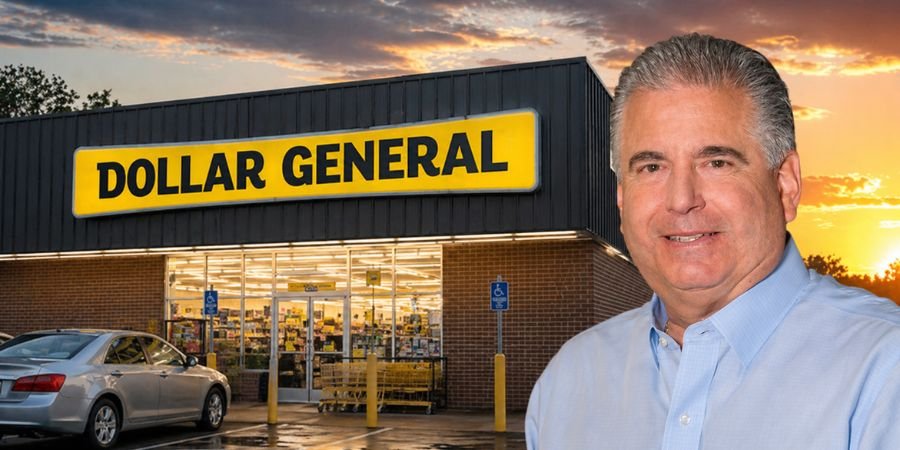
A quiet shift is unfolding across small towns and suburban corners where yellow-and-black storefronts once stood as everyday essentials. Regular customers are starting to notice “closed” signs where quick grocery runs used to happen, and employees are facing sudden uncertainty about their next move. The conversation around dollar general store closures is no longer just speculation—it’s becoming a real concern for communities that rely heavily on these stores. While the brand continues to expand in some areas, the closures are raising serious questions about sustainability, changing consumer behavior, and the hidden challenges behind discount retail success.
What’s Really Going On With Dollar General Store Closures?
The rise in dollar general store closures in 2026 isn’t just a random business decision—it’s the result of multiple underlying factors colliding at once. For years, Dollar General thrived on a simple promise: affordable products in convenient locations. But the retail landscape has evolved dramatically.
Several locations are shutting down not because the company is failing entirely, but because certain stores are no longer profitable or sustainable. The closures are selective, strategic, and often tied to deeper economic realities rather than a complete decline.
Key Reasons Behind the Closures
- Underperforming Locations: Some stores simply don’t generate enough revenue to justify operating costs.
- Increased Competition: Bigger retailers and online platforms are offering similar products at competitive prices.
- Operational Challenges: Staffing shortages, theft, and supply chain disruptions are impacting performance.
- Changing Consumer Habits: More shoppers are shifting toward bulk buying or online shopping.
This mix of issues is forcing the company to reassess which stores are worth keeping open.
How Economic Pressure Is Driving Dollar General Store Closures
The economy plays a huge role in shaping retail decisions, and dollar general store closures are closely tied to current financial pressures.
Inflation has hit both businesses and consumers hard. While Dollar General targets budget-conscious shoppers, rising costs in logistics, wages, and inventory have made it harder to maintain low prices without sacrificing margins.
At the same time, customers are becoming more selective. Instead of frequent small purchases, many are opting for fewer, larger shopping trips at warehouse stores or online platforms. This shift directly affects foot traffic in smaller retail outlets.
The Hidden Cost Problem
Running a discount store isn’t as cheap as it seems. Behind the scenes, expenses are rising in areas like:
- Rent and property maintenance
- Employee wages and benefits
- Transportation and fuel costs
- Inventory losses due to theft
When these costs outweigh profits, closures become inevitable.
Are Dollar General Store Closures a Sign of Bigger Trouble?
It’s easy to assume that dollar general store closures indicate a failing company, but that’s not entirely accurate. In fact, Dollar General is still expanding in certain regions while closing stores in others.
This strategy is known as portfolio optimization—closing weaker locations to invest in stronger ones. Instead of spreading resources thin, the company is focusing on areas with higher growth potential.
Expansion vs. Closure: A Balancing Act
Interestingly, while some stores are shutting down, new ones are still opening. This creates a mixed narrative:
- Closures happen in low-performing or oversaturated markets
- New stores open in underserved or high-demand areas
- Renovations are being prioritized for profitable locations
So, the closures are less about decline and more about restructuring.
Impact on Local Communities
One of the most overlooked aspects of dollar general store closures is their impact on communities, especially in rural areas.
For many small towns, Dollar General isn’t just a store—it’s a lifeline. It provides:
- Affordable groceries
- Household essentials
- Basic healthcare products
When these stores close, residents often have to travel longer distances to meet their daily needs.
Why It Matters More Than You Think
In areas with limited transportation options, a store closure can significantly disrupt daily life. Elderly residents and low-income families are particularly affected.
Local economies also take a hit as job opportunities disappear and foot traffic declines in nearby businesses.
The Role of Competition in Dollar General Store Closures
Competition has intensified in recent years, and it’s a major factor behind dollar general store closures.
Retail giants and e-commerce platforms are offering:
- Lower prices through bulk purchasing
- Faster delivery options
- Wider product selections
Even traditional grocery chains are expanding their discount sections, making it harder for Dollar General to maintain its edge.
Online Shopping Is Changing Everything
E-commerce isn’t just a trend—it’s reshaping consumer expectations. People now value:
- Convenience over proximity
- Variety over simplicity
- Digital deals over in-store discounts
This shift is putting pressure on physical retail stores, especially smaller ones.
Operational Challenges Behind the Scenes
Beyond competition and economics, operational issues are also driving dollar general store closures.
Common Challenges Include:
- Staffing Shortages: Many stores struggle to maintain adequate staffing levels.
- Theft and Shrinkage: Retail theft has increased significantly, affecting profitability.
- Inventory Management Issues: Delays and shortages disrupt customer satisfaction.
These problems might not be visible to customers, but they play a critical role in deciding whether a store stays open.
What Employees Are Experiencing
For employees, dollar general store closures bring uncertainty and stress. Many workers rely on these jobs as their primary source of income.
When a store shuts down, employees often face:
- Sudden job loss
- Limited relocation opportunities
- Financial instability
While some may be offered positions at nearby stores, that option isn’t always practical.
What Shoppers Should Expect Next
If the trend of dollar general store closures continues, shoppers may need to adapt.
Possible Changes Include:
- Fewer nearby locations
- Increased reliance on larger retail chains
- More online shopping for essentials
However, customers may also benefit from improved services in remaining stores, as the company invests more in high-performing locations.
Is Dollar General Still Worth It in 2026?
Despite the headlines around dollar general store closures, the brand still holds value for millions of shoppers.
Pros:
- Affordable pricing
- Convenient locations (in many areas)
- Quick shopping experience
Cons:
- Limited product variety
- Inconsistent store quality
- Increasing closures in certain regions
The answer depends on where you live and how you shop.
Future Outlook: What’s Next for Dollar General?
Looking ahead, dollar general store closures may continue as part of a broader transformation strategy.
Trends to Watch:
- More focus on profitable locations
- Increased investment in store upgrades
- Potential expansion into new markets
- Greater emphasis on digital integration
The company isn’t disappearing—it’s evolving.
How Communities Can Respond
Communities affected by dollar general store closures aren’t powerless. There are ways to adapt and respond:
- Support local businesses
- Advocate for alternative retail options
- Encourage new store development
While the transition can be challenging, it can also open doors for new opportunities.
FAQs
1. Why are dollar general store closures happening in 2026?
Closures are mainly due to underperforming locations, rising operational costs, increased competition, and changing consumer shopping habits.
2. Are all Dollar General stores closing?
No, only specific locations are shutting down. The company is still expanding in profitable areas.
3. How do dollar general store closures affect local communities?
They can reduce access to affordable goods, eliminate jobs, and impact daily convenience, especially in rural areas.
4. Will more dollar general store closures happen in the future?
It’s likely, as the company continues optimizing its store network and adapting to market changes.
5. Where can shoppers go after a Dollar General store closes?
Customers may turn to larger retail chains, local stores, or online shopping platforms for their needs.
Conclusion
The story of dollar general store closures in 2026 isn’t just about shutting doors—it’s about a retail giant adjusting to a rapidly changing world. While some locations are disappearing, the brand itself is far from gone. It’s reshaping, refining, and preparing for a different kind of future.
For shoppers and communities, this shift may feel inconvenient at first, but it also highlights the importance of adaptability. Whether it’s exploring new shopping options or supporting local businesses, the response to these closures will shape what comes next.
If you’re seeing changes in your area, it’s worth paying attention—because this isn’t just a retail story, it’s a glimpse into how everyday life is evolving.
Also Read: Why Im Building Capabilisense: The Bold Vision Reshaping Human Potential in 2026